Browse delicacies, rituals, prayers and stories preserved from Chinese Malaysian communities across generations.
Showing 17 traditions
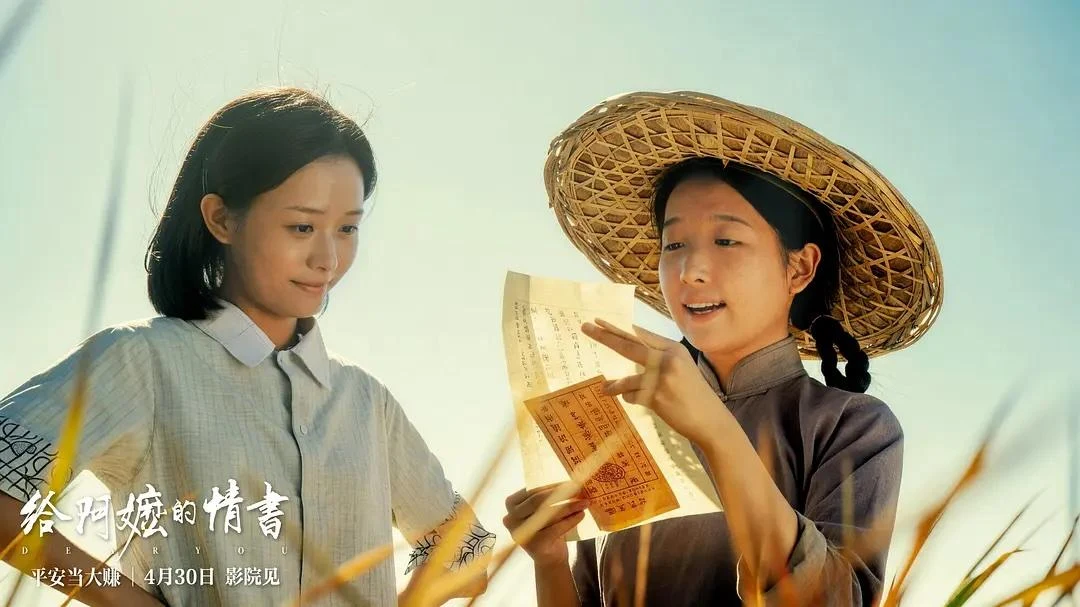
The viral Teochew film finds its truest audience not in China's cinemas, but in the hearts of diaspora families who recognise every silence on screen.
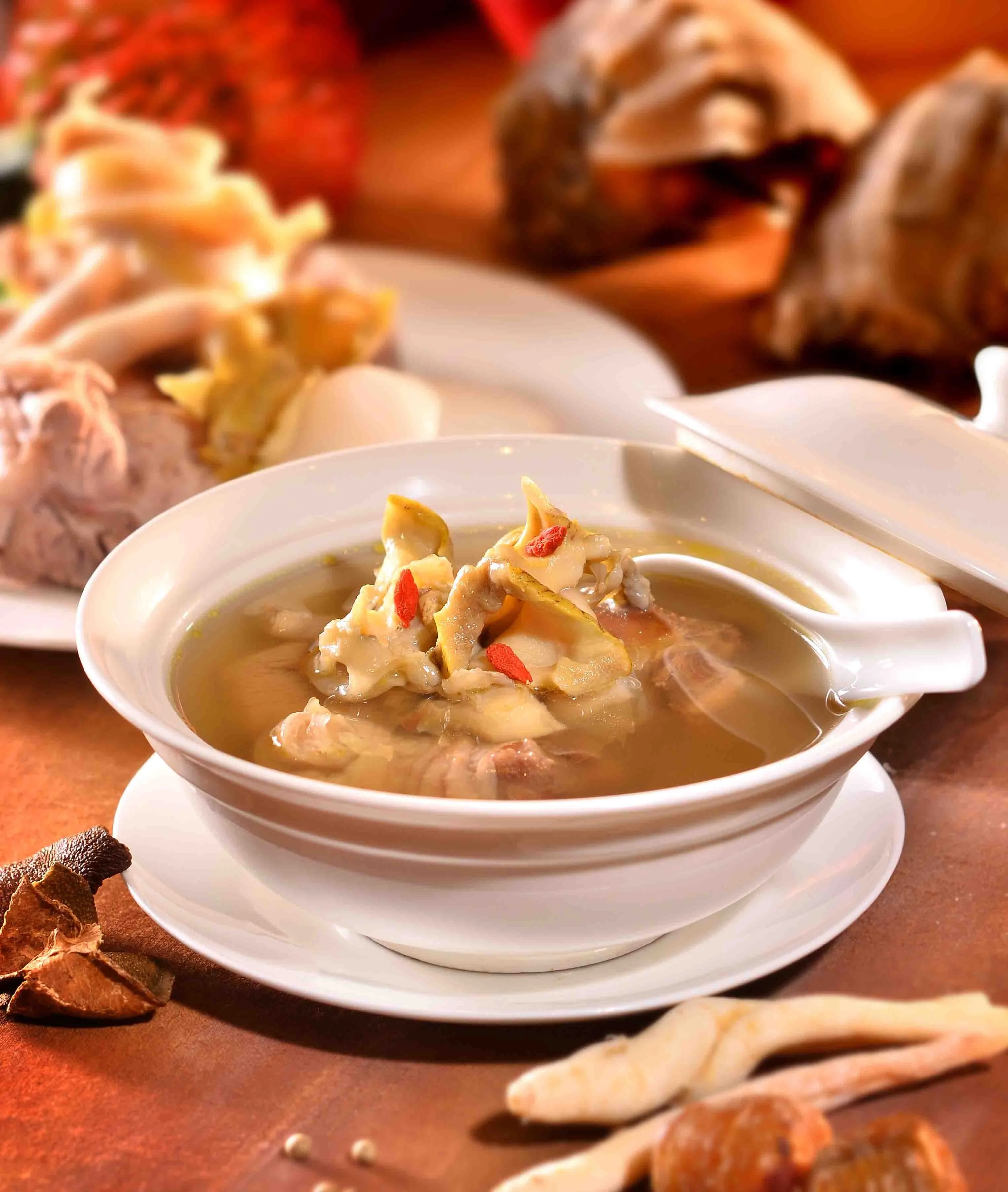
For thirty days after childbirth, the kitchen fills with the smell of charred ginger and black vinegar. Ter ka cho, pig's trotters slow-cooked in vinegar and ginger, is the centrepiece of a tradition built around one belief: the body that gives must be given back to.
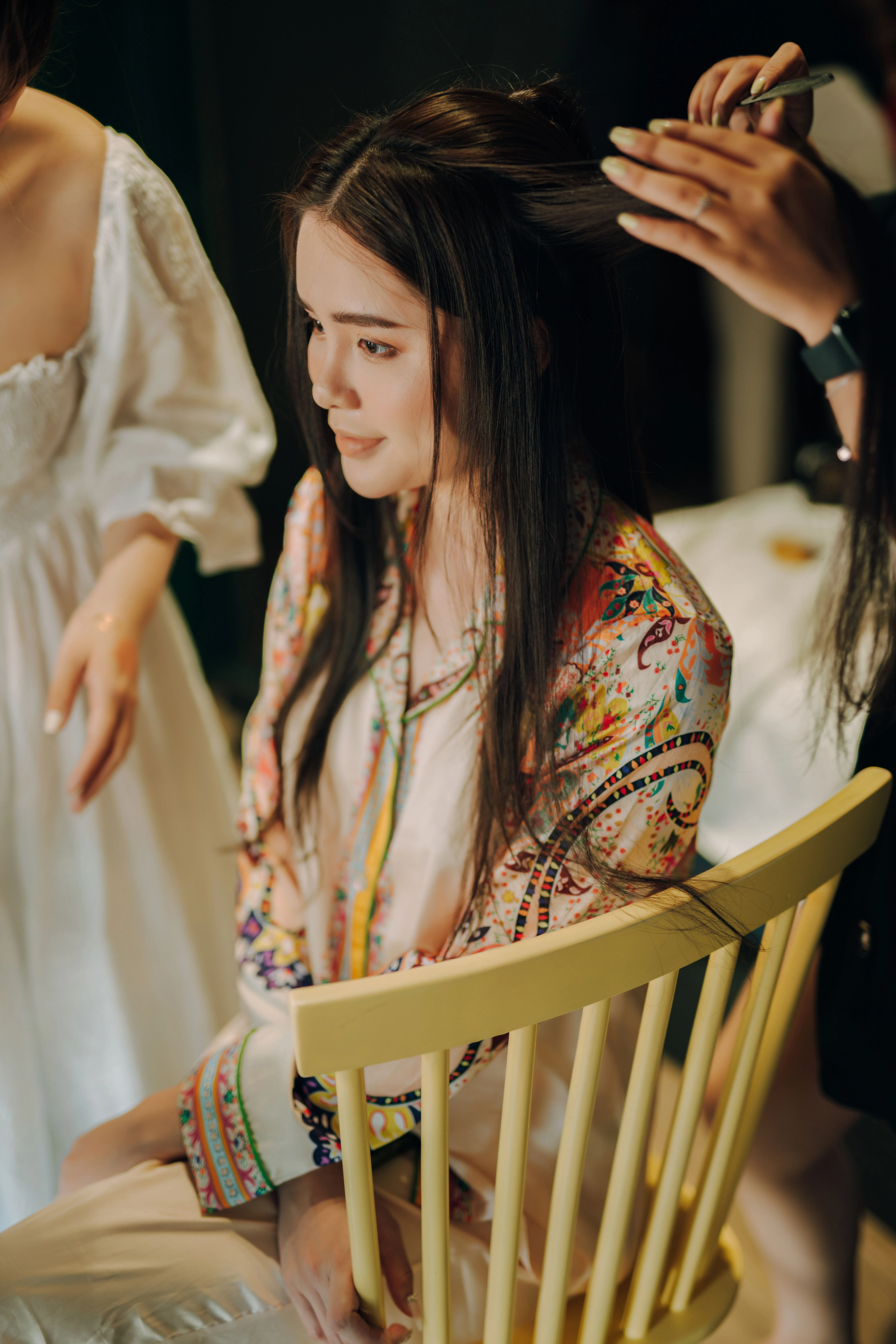
The night before a Chinese wedding, a woman of good fortune draws a comb through the bride's hair four times. Each stroke carries a spoken blessing. This is the last act of the unmarried life, performed quietly, by candlelight, before everything changes.
Before a single box crosses the threshold, the almanac is consulted, a pineapple is rolled through every room, and the Earth Deity is offered incense. An auspicious move is not made by chance.
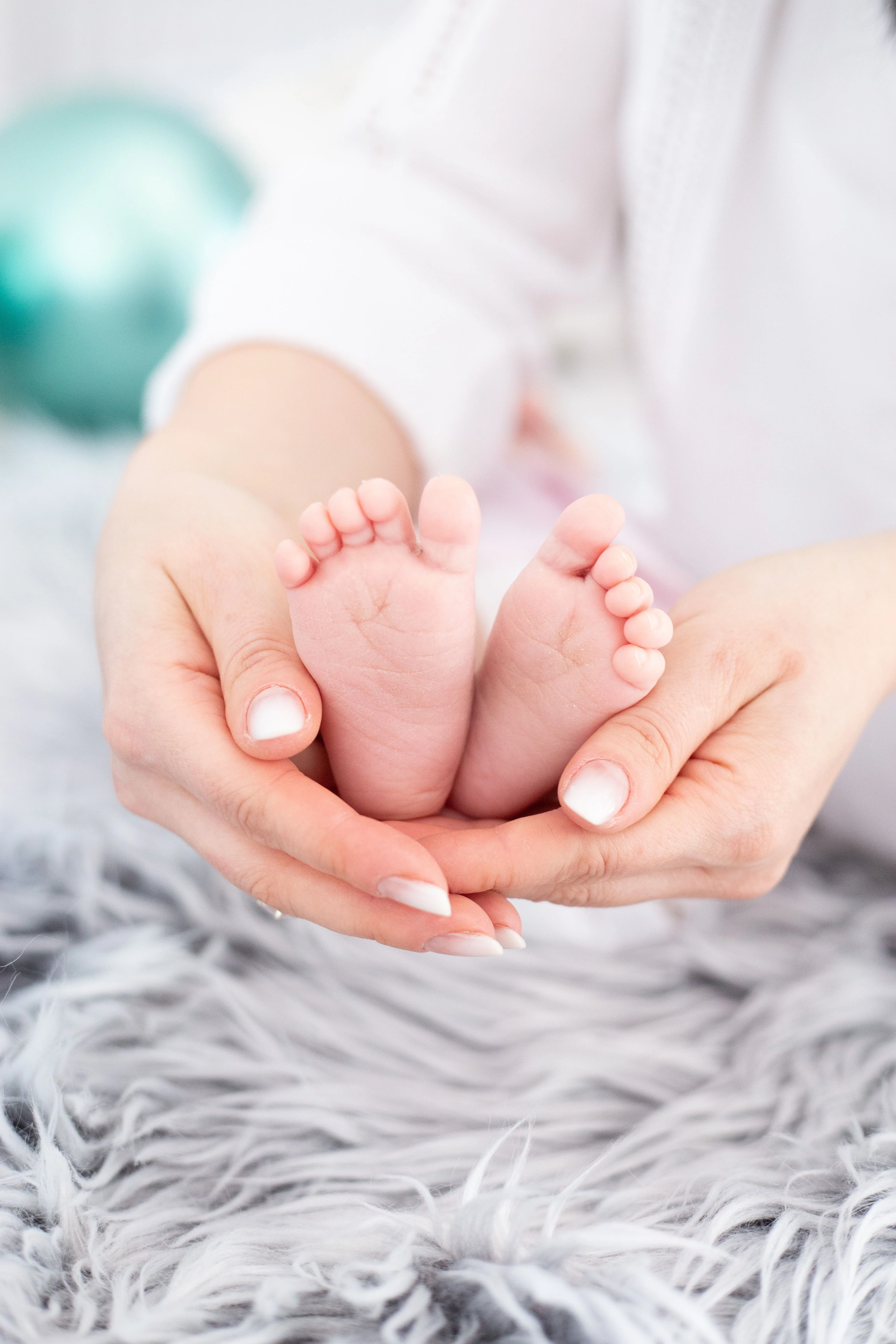
On the thirtieth day, the baby is bathed in pomelo leaf water, the head is shaved for fresh growth, and red eggs travel between households carrying a message in their count. A month of waiting gives way to a morning of welcome.
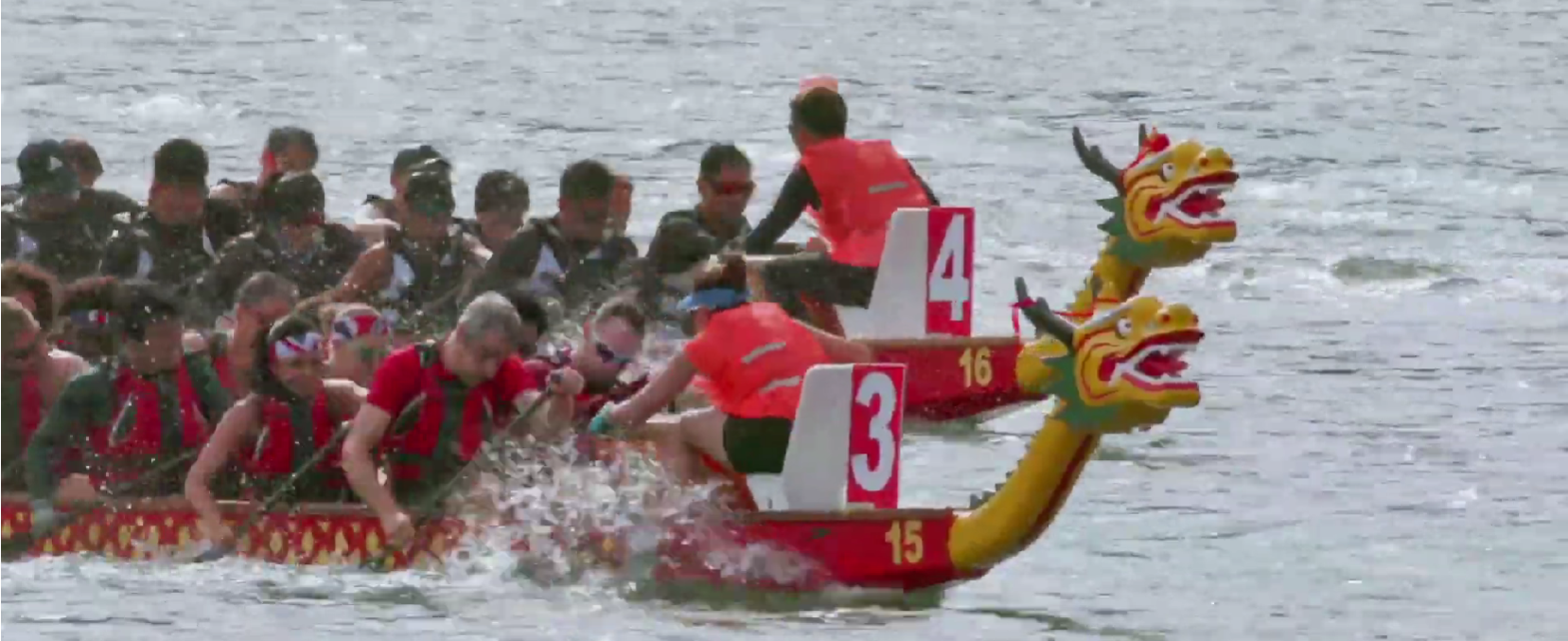
The fifth day of the fifth month. Dragon boats race in remembrance of the poet Qu Yuan, bamboo leaf dumplings are wrapped before dawn, and calamus is hung at the door to keep illness away. A festival two thousand years in the making.
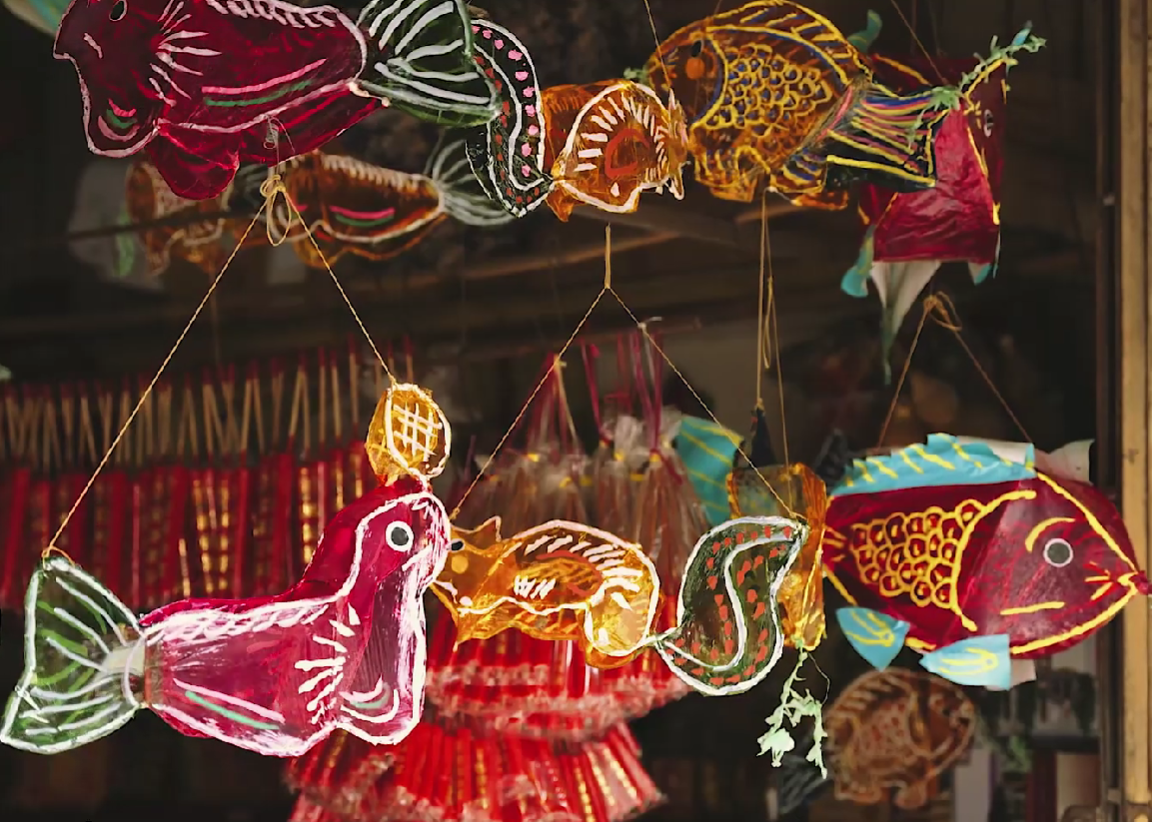
A craft carried across the South China Sea and kept alive by master artisans in Ipoh, Penang, and Melaka. Bamboo frames, hand-stretched paper, and the glow of a candle inside — a tradition quietly disappearing.
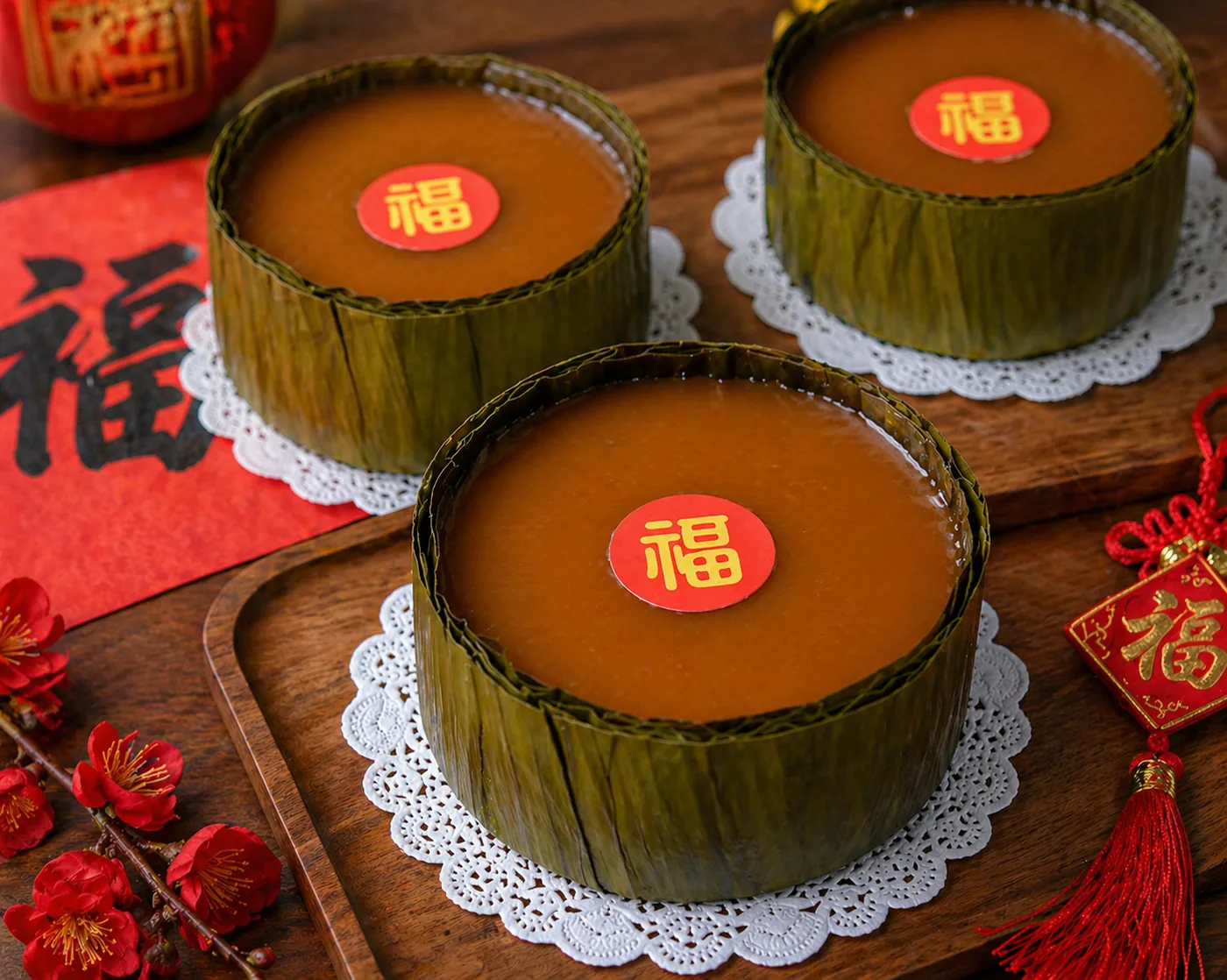
A dense, chewy cake made from glutinous rice flour and brown sugar, steamed then pan-fried in egg. The name sounds like "year higher", symbolising growth and elevation in the new year.
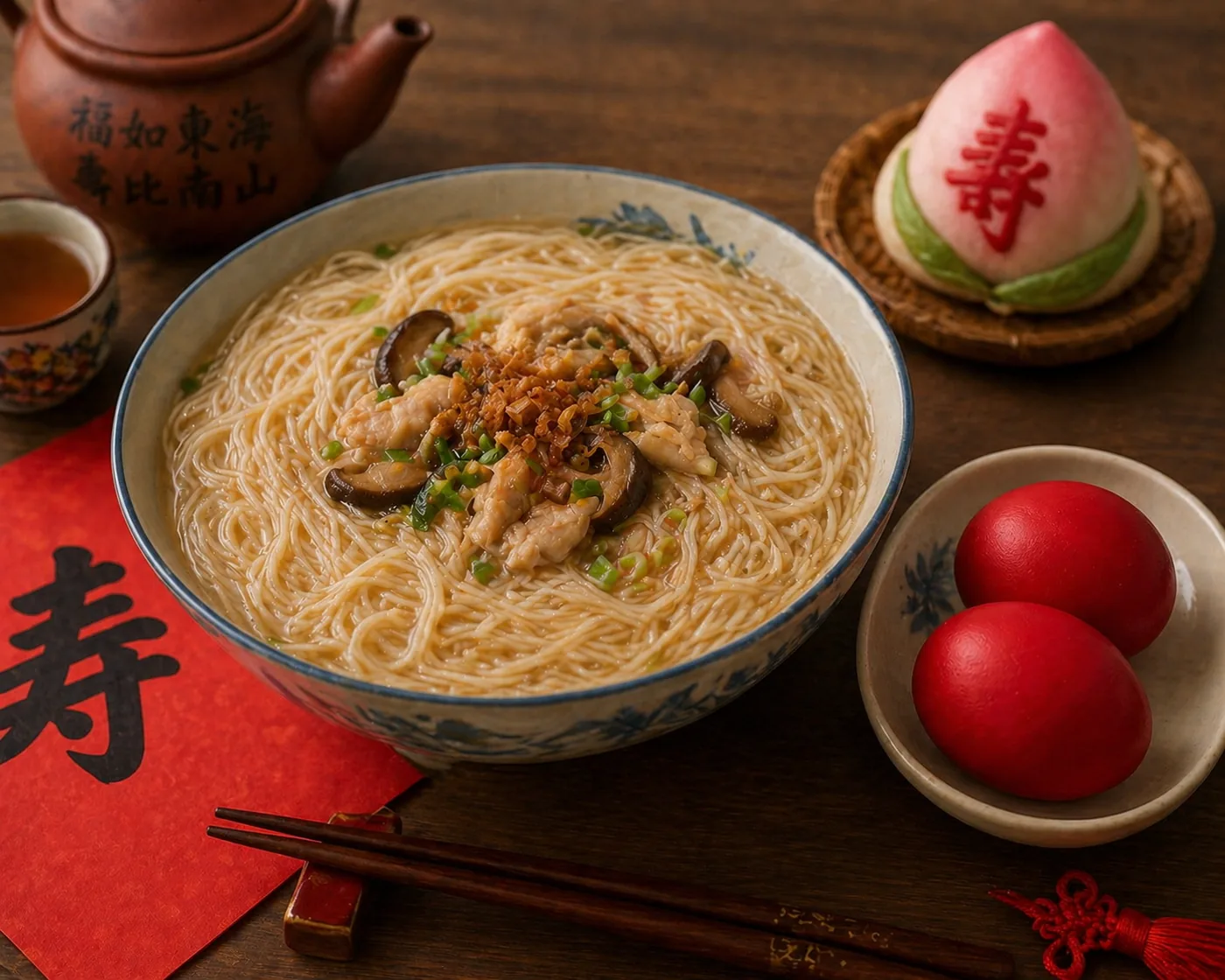
Thin wheat noodles served uncut in a rich prawn or egg broth. The unbroken length of the noodle represents a long, uninterrupted life, never cut before serving.

Families gather at gravesites to clean tombstones, offer food, burn joss paper, and pray. A solemn act of remembrance that connects the living to generations past.
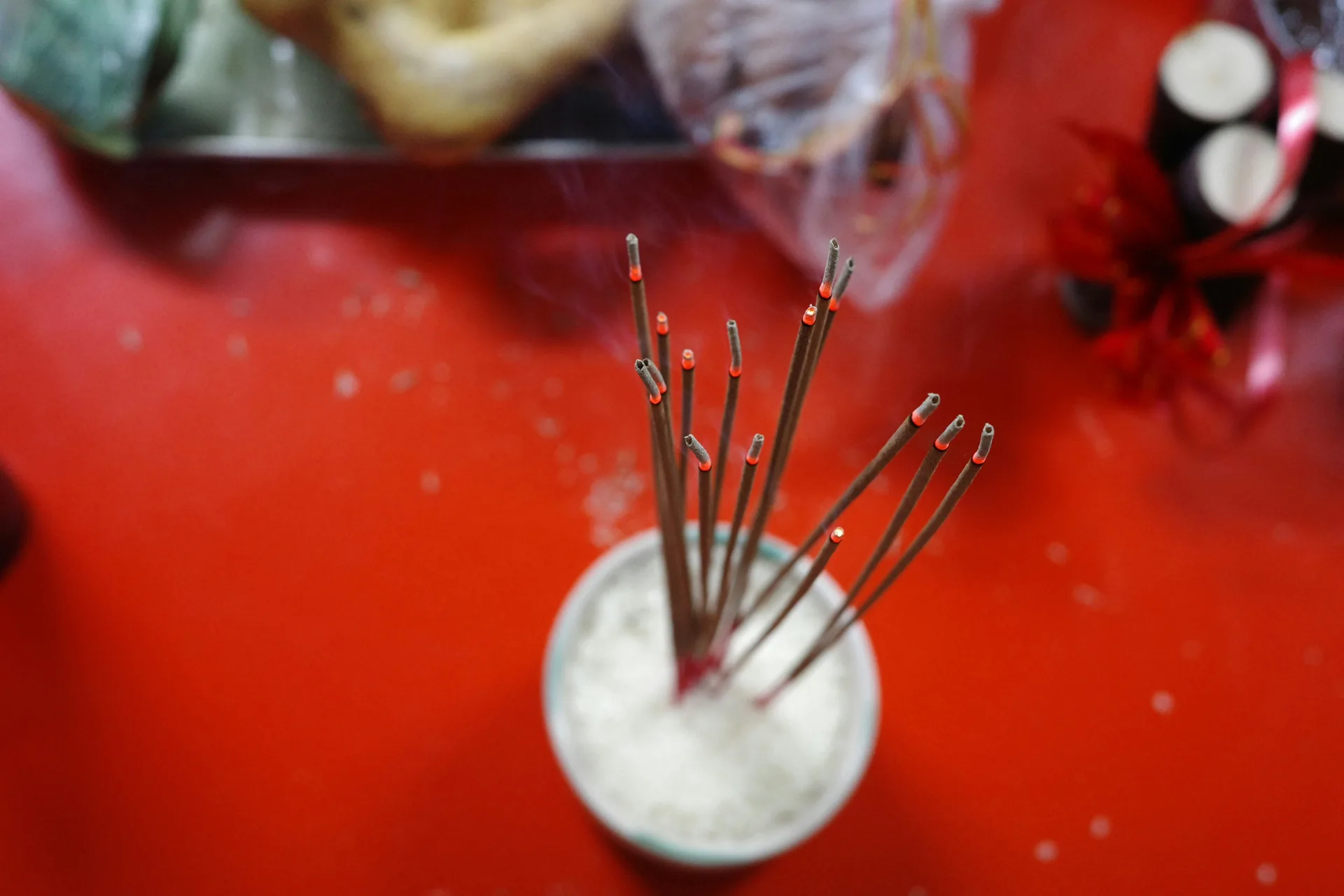
The daily ritual of lighting three joss sticks at dawn, bowing three times, and offering whispered prayers to ancestors and household deities. A quiet anchor to start each day.
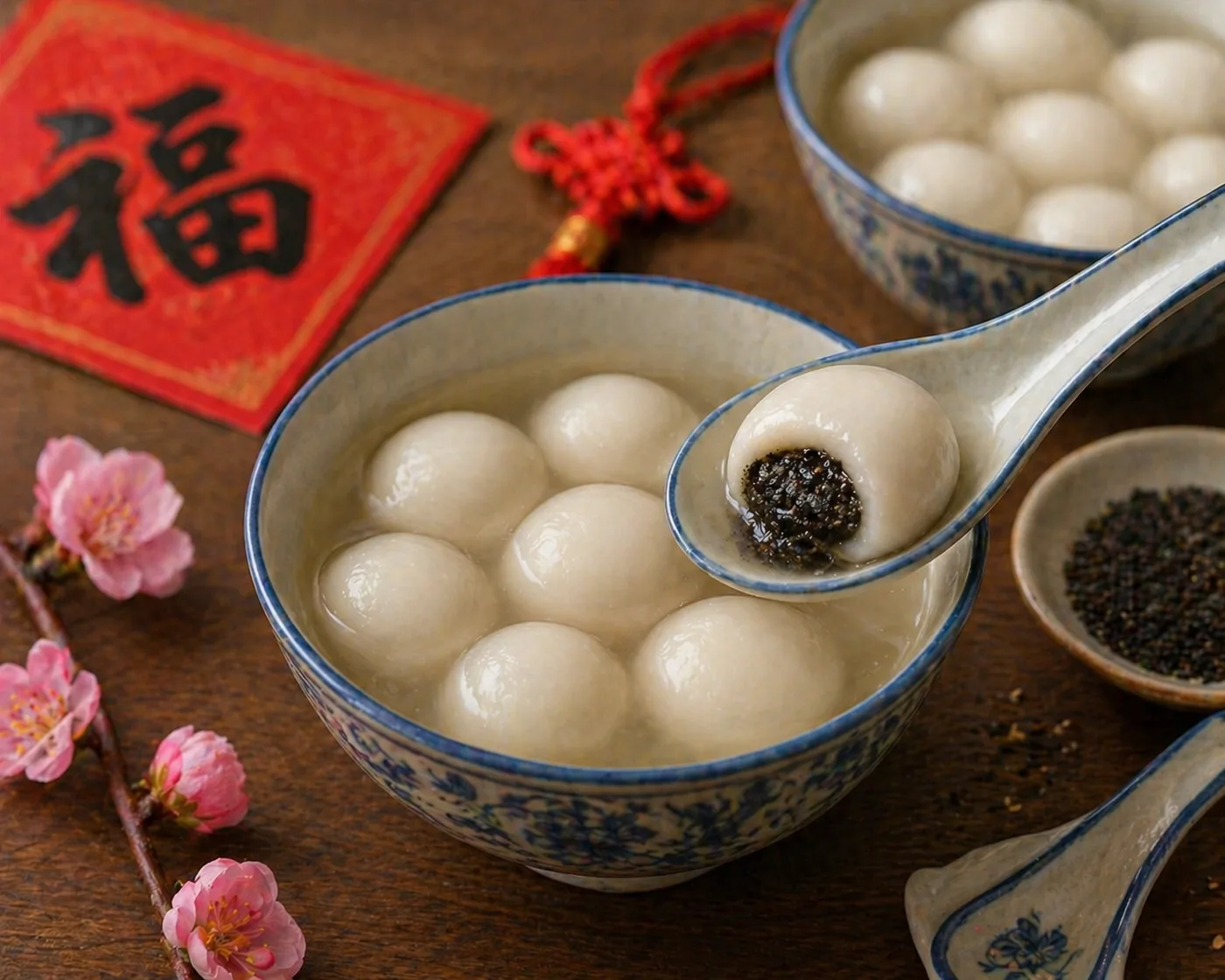
Hand-rolled glutinous rice balls served in sweet ginger broth. Their round shape symbolises family reunion and wholeness. Making them together is as important as eating them.
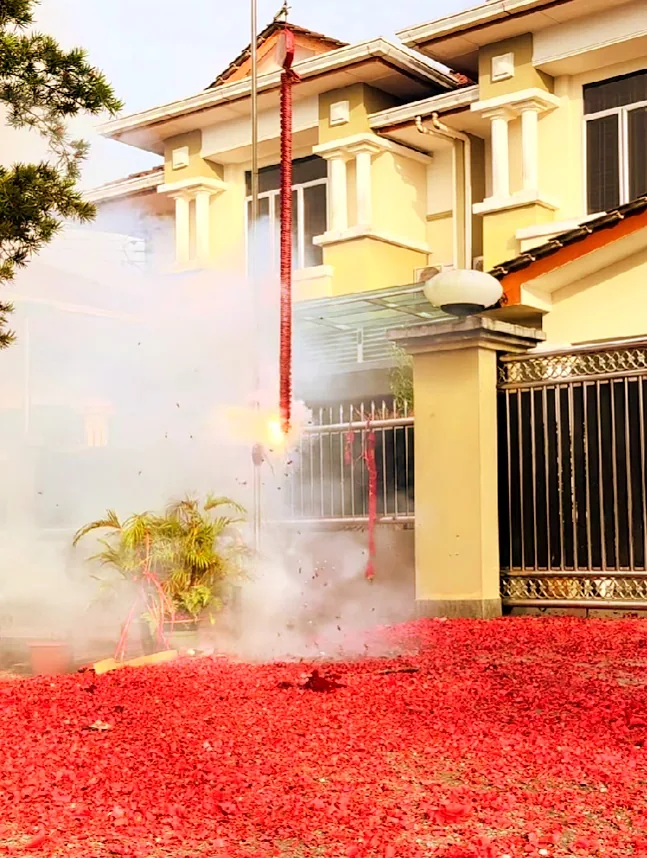
The ancient beast that feared the colour red, loud noise, and fire, and how one wandering sage's discovery became the founding myth of Chinese New Year.
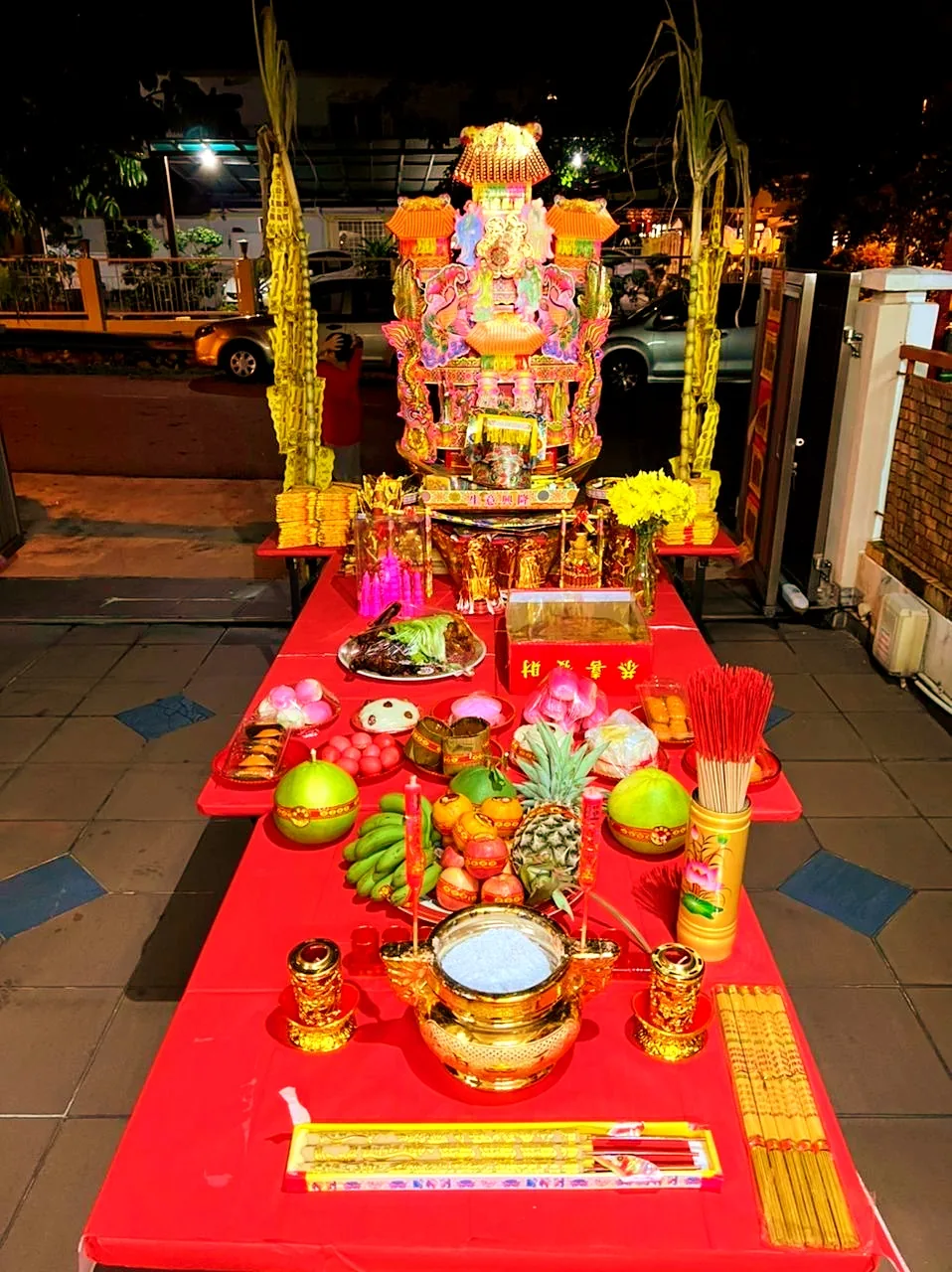
The most sacred Hokkien ritual of the year. At exactly midnight on the 8th night of New Year, families pray to the Jade Emperor with towers of offerings and firecrackers.
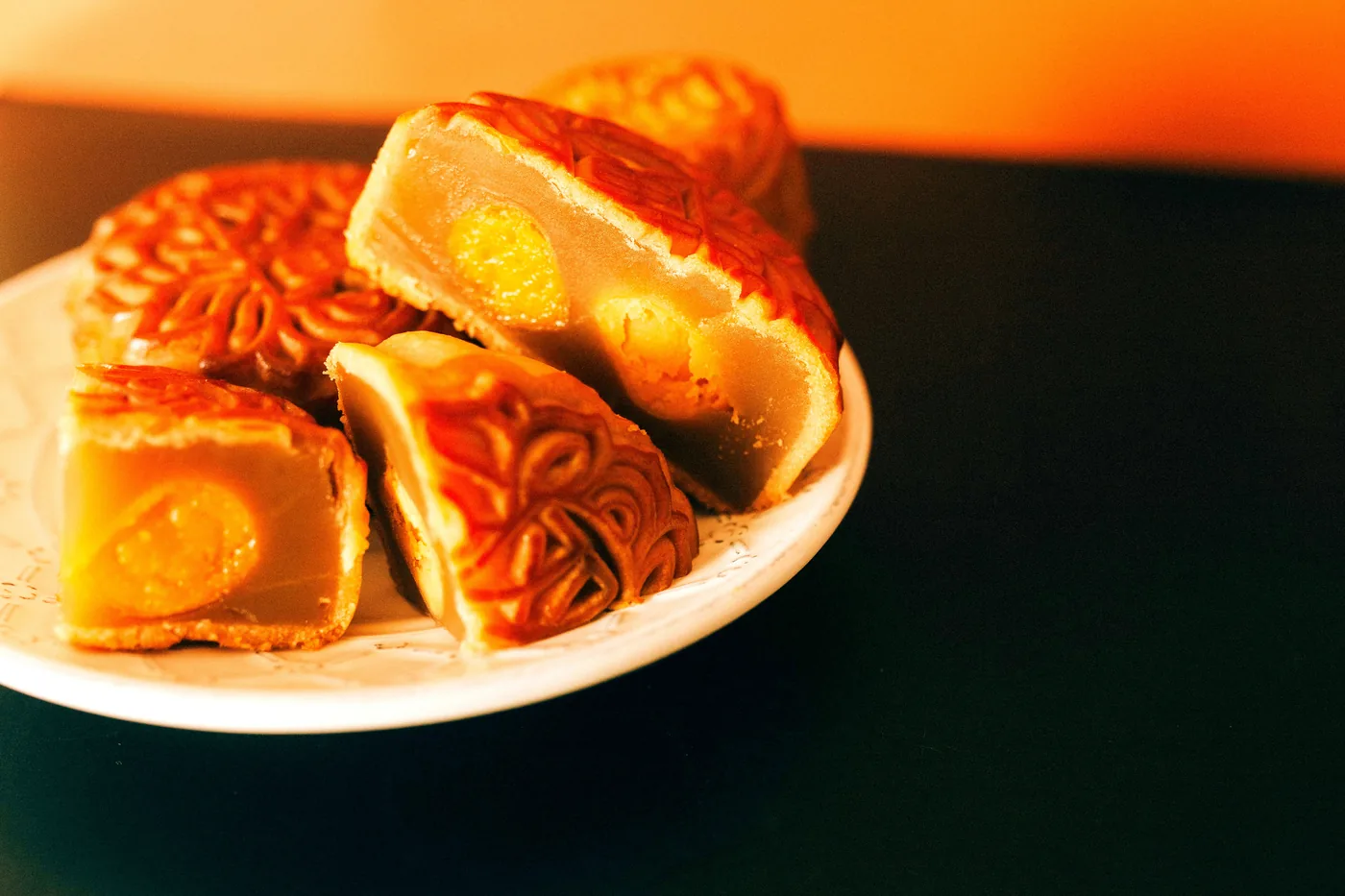
Dense lotus paste wrapped in golden pastry skin, pressed into moulds with intricate patterns. The defining food of Mid-Autumn, and a craft passed down from grandmother to grandchild.
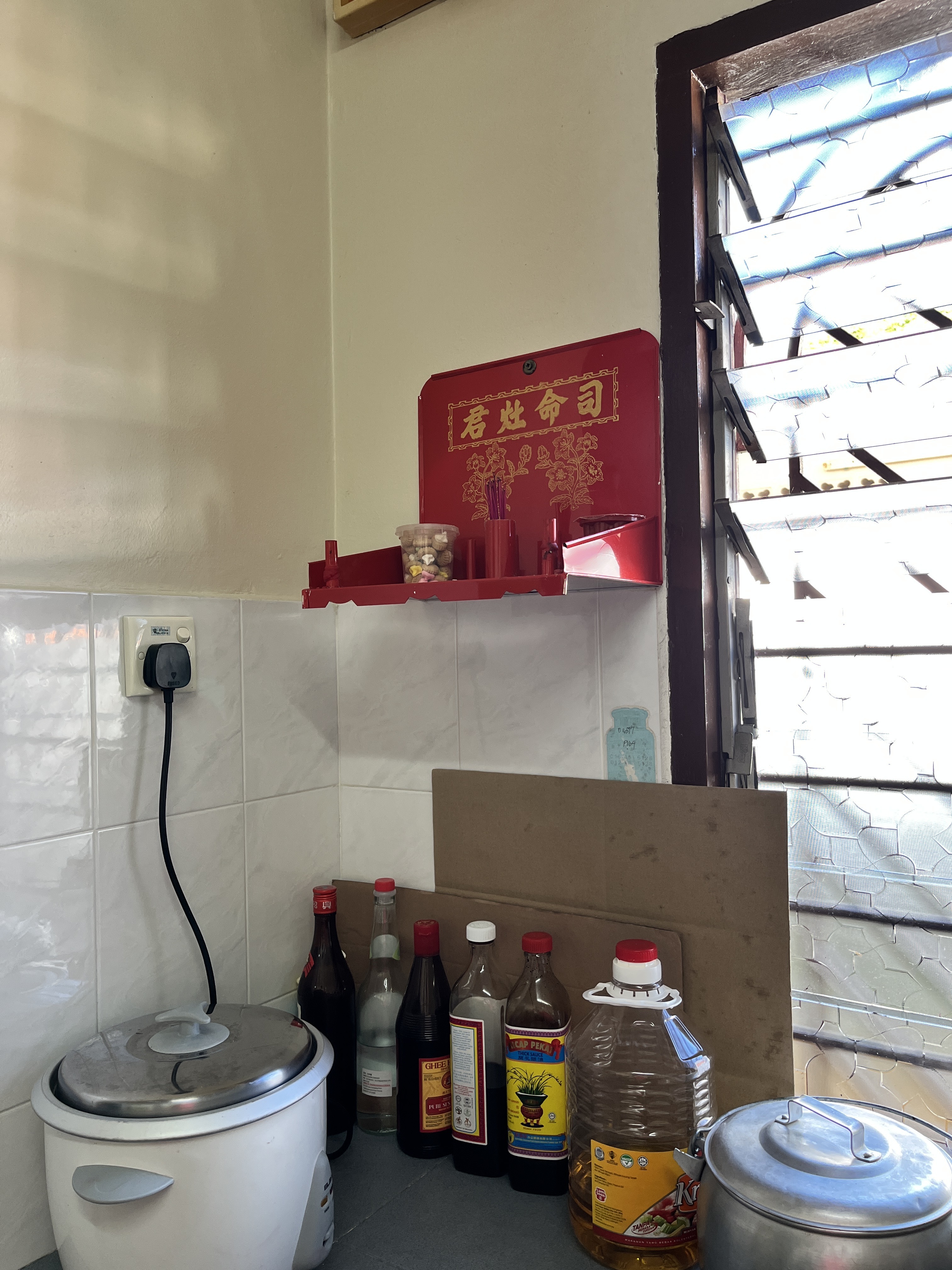
On the 23rd of the 12th lunar month, honey is smeared on the Kitchen God's paper mouth before his image is burned, sending him to Heaven with sweet words for your family.
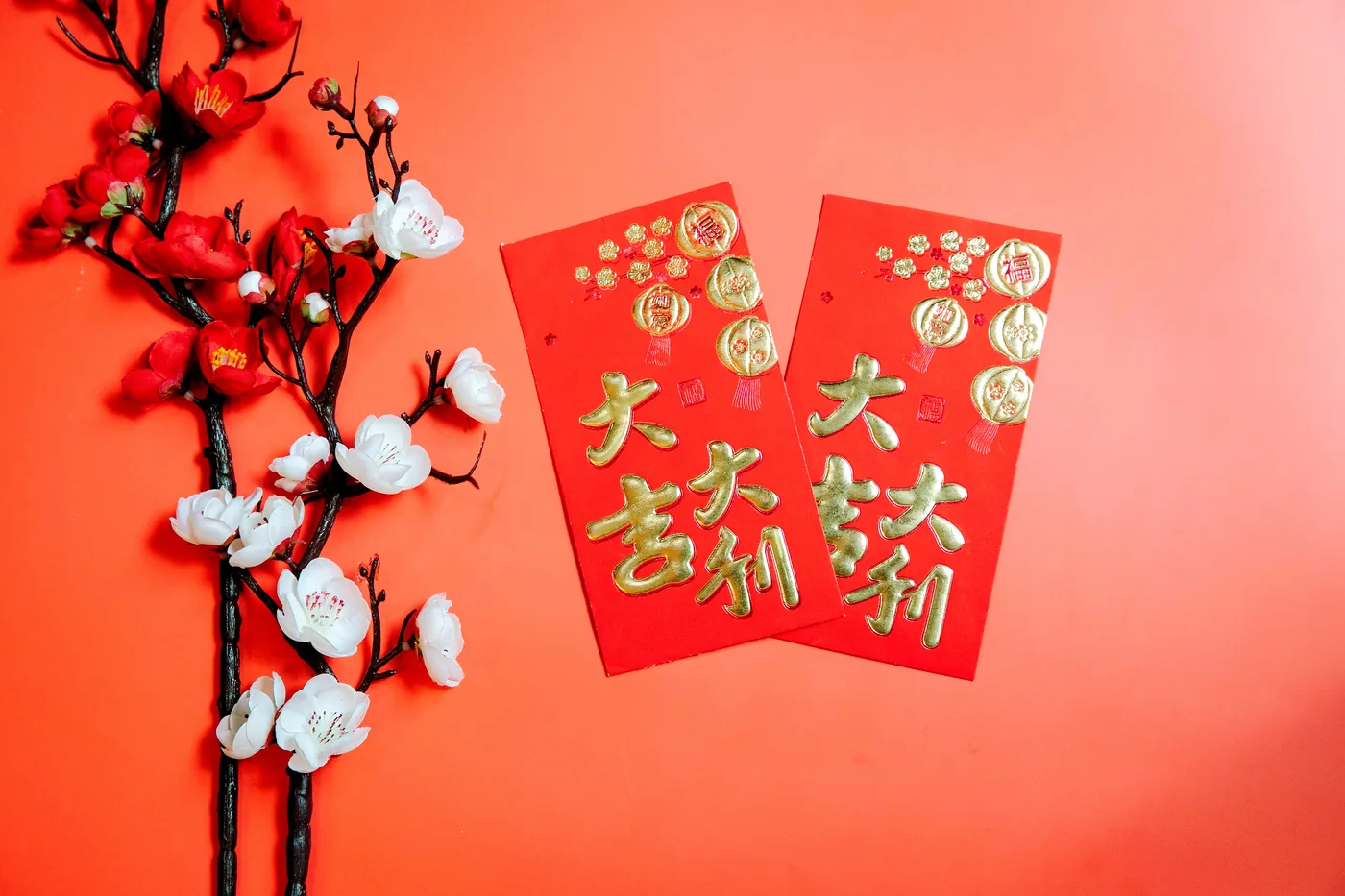
Never open it in front of the giver. Use new notes. Avoid the number four. The angpau carries an entire social code that every Chinese Malaysian child learns without being taught.
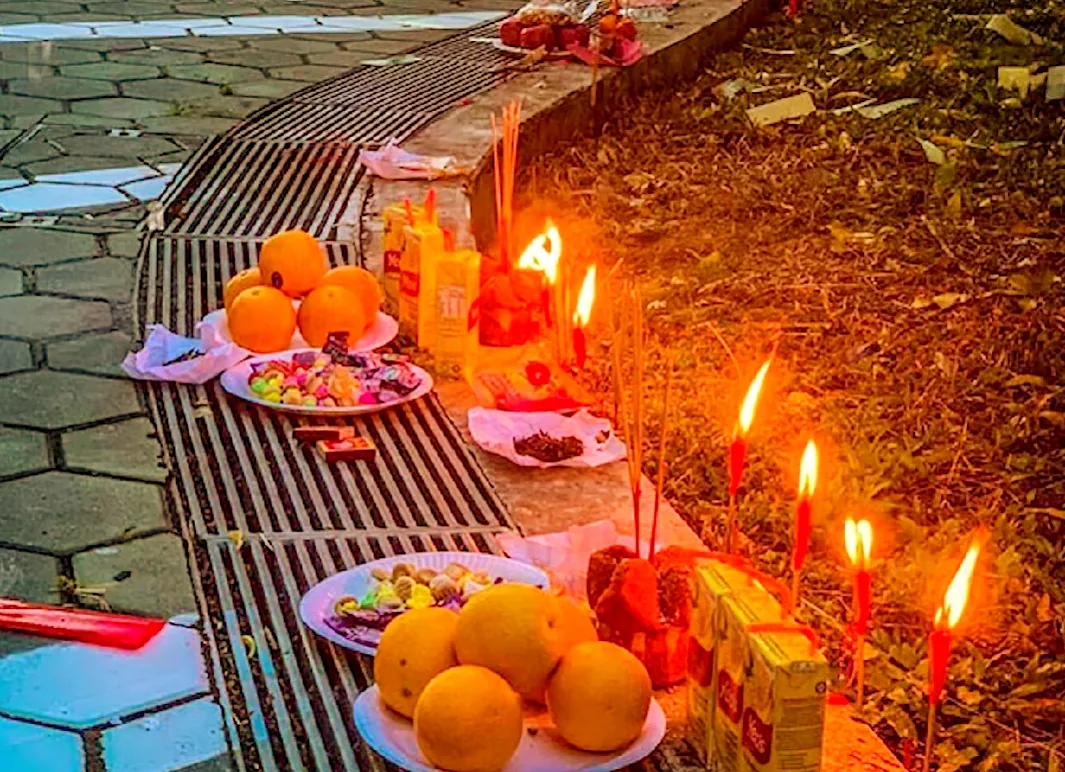
For the entire seventh lunar month, the gates of the underworld open. Roadside altars, burning joss paper, getai variety shows, and offerings for the wandering dead, a month of communal remembrance.
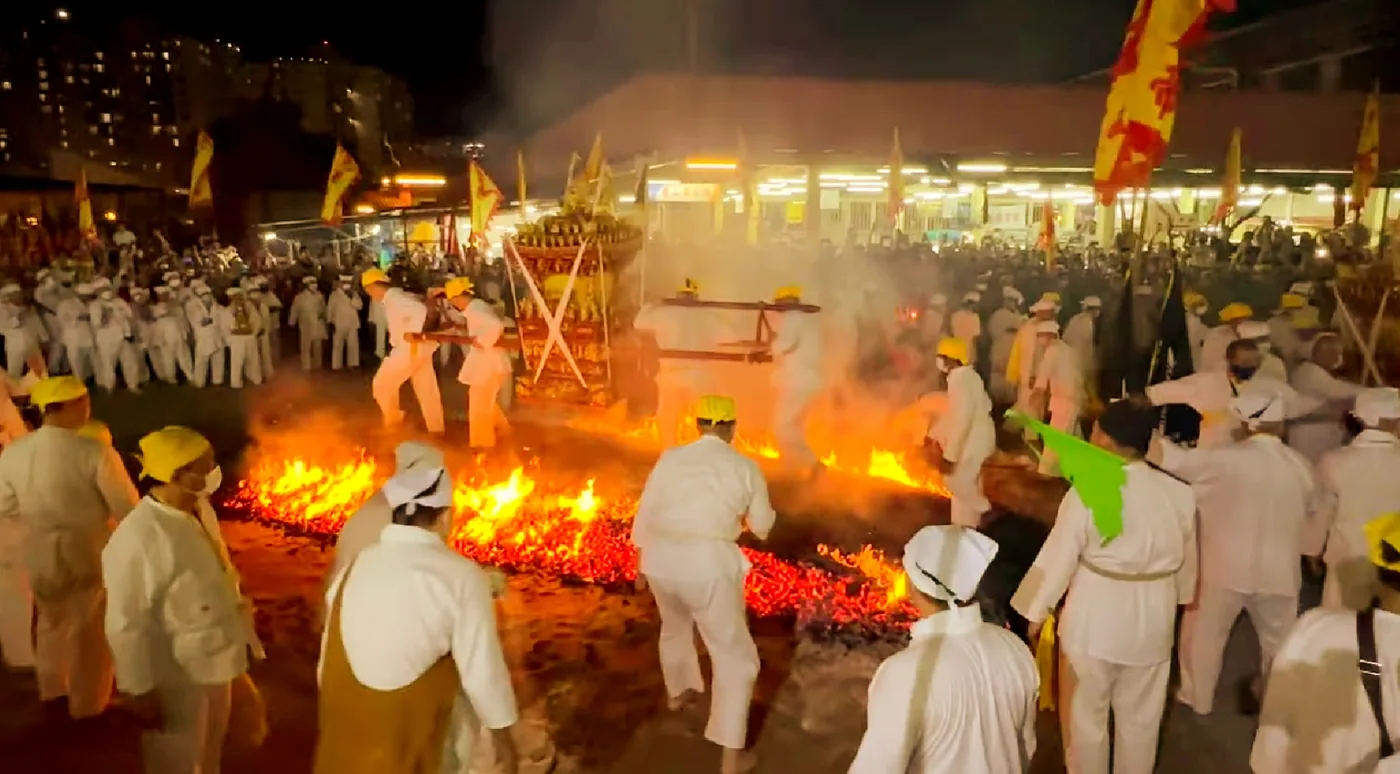
Nine days of white: white clothes, vegetarian food, and spiritual discipline. The gods descend from the water; torchlit processions and firewalking follow. A festival unique to Malaysia and Singapore.
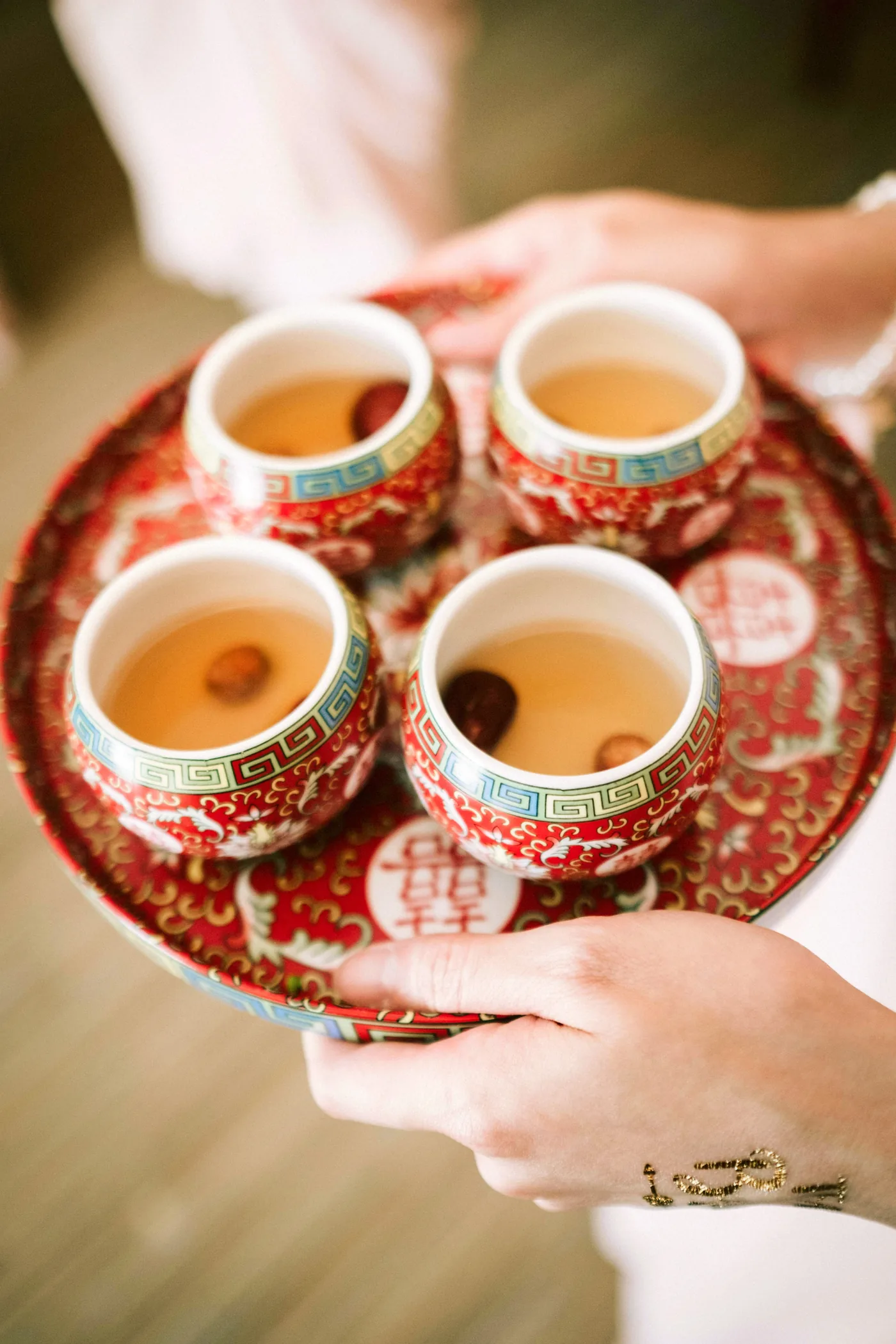
The cup of tea that makes a marriage real. Presented on bended knee to elders in order of seniority, the moment two families formally become one, sealed with red packets and spoken blessings.
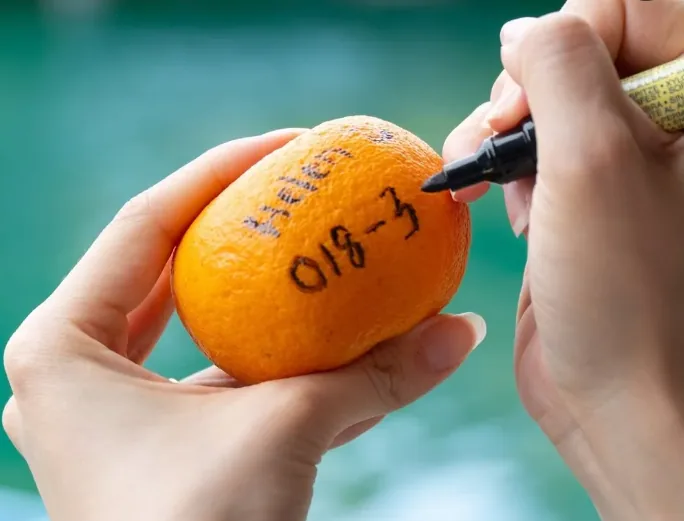
The fifteenth night, first full moon of the lunar year. Lanterns, tang yuan, and Malaysia's own tradition: unmarried women throwing mandarin oranges into the river to find a match.
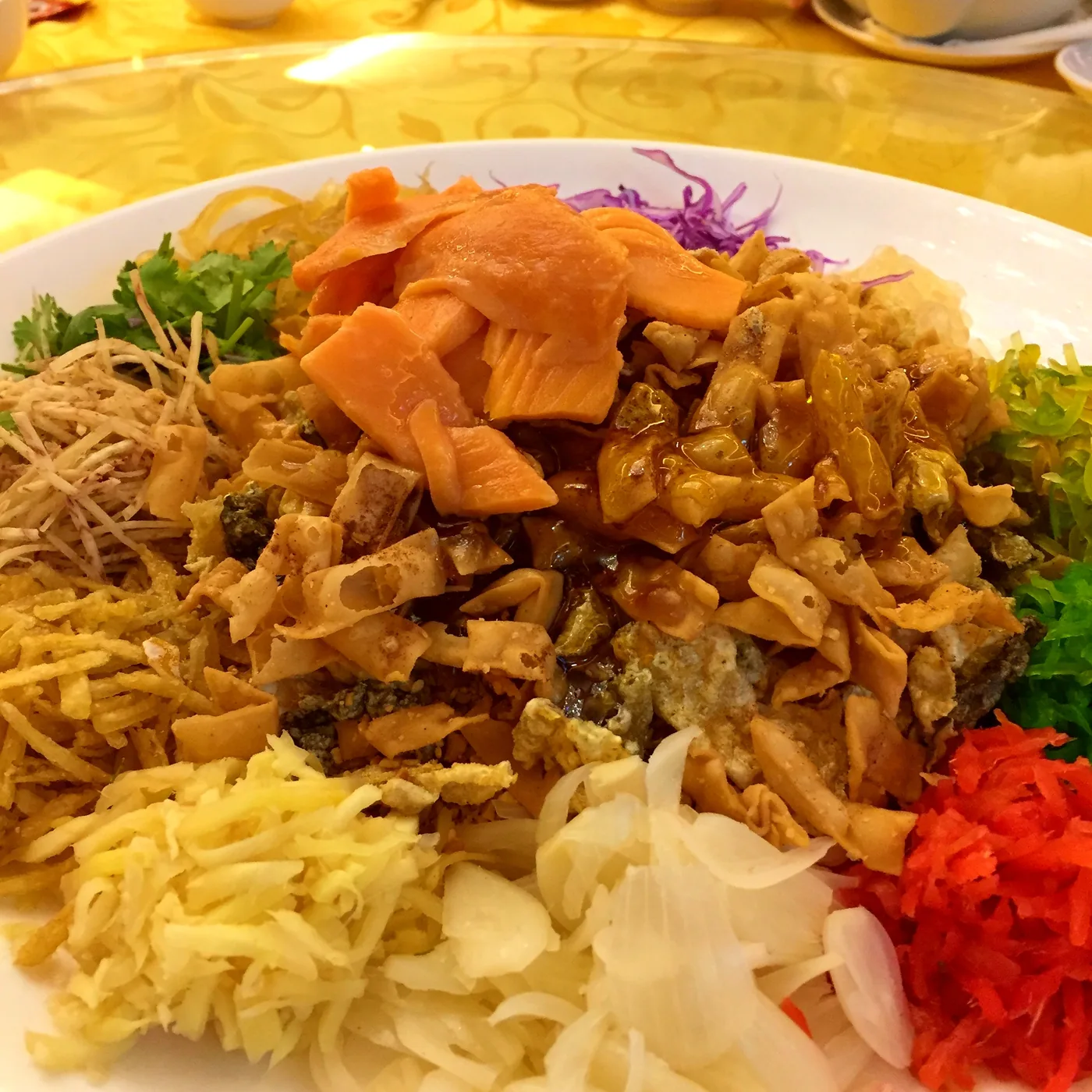
A mountain of colourful ingredients (salmon, julienned radish, crackers, plum sauce) tossed together at the table with chopsticks raised high. A Malaysian invention that became the defining dish of Chinese New Year.
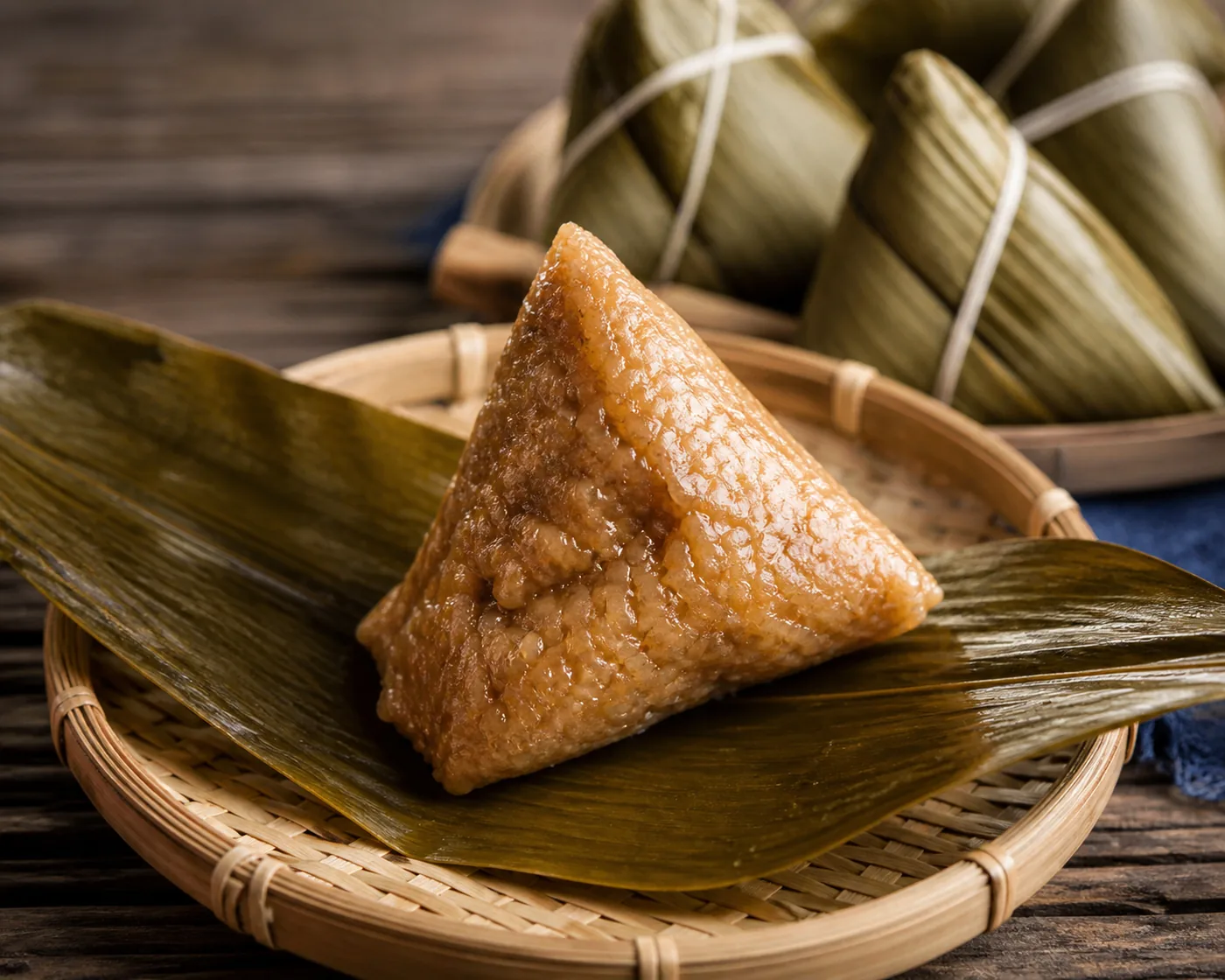
Glutinous rice packed with braised pork, salted egg yolk, and chestnuts, wrapped in dried bamboo leaves and boiled for hours. Made in large batches before the Dragon Boat Festival, the smell of a morning's work.
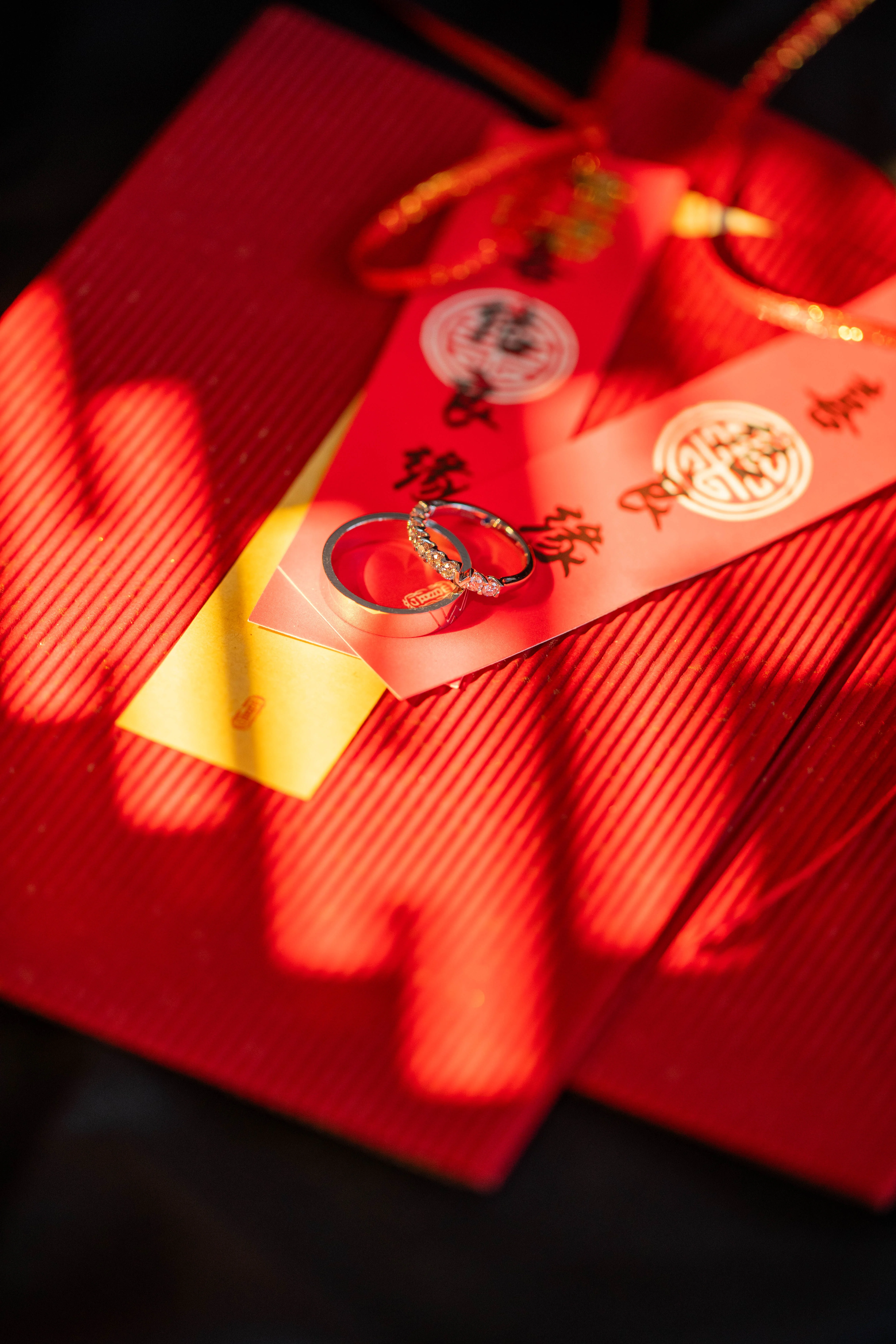
Weeks before the wedding, two families meet to pass the great gifts. Dragon Phoenix candles, betrothal cakes, and ang pow change hands. The marriage becomes real not at the banquet, but here, when the gifts are received and a portion is returned.